Eleazer Williams
Written and illustrated by Darren Bonaparte Eleazer Williams was the son of Trustee Thomas Williams and the great-grandson of the “unredeemed captive,” Eunice Williams. Although the history of his life was the subject of debate even while he lived, a portrait emerges of someone highly intelligent, ambitious, and deeply embarrassed by his Mohawk background. He was not above doctoring the details of his ancestry and personal history to impress the non-native society to which he aspired, both as a member of the clergy and as a contender to the throne of France. Eleazer was born around 1788. No record of his birth appeared in the church records at Kahnawake where the Williams family normally lived, so it is hard to say for sure when exactly he was born. He may have been born at his family’s summer camp near Lake George, which would explain why it wasn’t registered with his many brothers and sisters. Of itself, this concern seems trivial, but sixty-five years later the mysterious birth date of Eleazer Williams became a serious concern (and a major waste of time) to many important people, the reasons for which we will get into shortly. The adolescent Eleazer and his brother John were sent to Longmeadow, Massachusetts, to live with the Deacon Nathaniel Ely, a relative of the family of Eleazer’s great-grandmother, Eunice Williams. He excelled in his religious studies and impressed the Protestant elite so much that he felt that they were grooming him for the pulpit and (in those days) the highest levels of New England society. In reality, his Congregational sponsors probably never seriously considered such a thing, since colonial society was caste-like and would never allow an Indian (redeemed captive or not) to ascend his “lot in life.” The naive Williams, who identified himself more with his relatives in Massachusetts than his own Mohawk people, must have been mortified when Deacon Ely sent him to Moor’s Charity School in Hanover, New Hampshire, to continue his studies with other young natives. He stayed only a week, and left fully attired. In 1811 Williams went to Akwesasne, where his father and siblings then lived. Although he fancied himself on a mission to convert the Mohawks to the Protestant faith, there is little evidence that his sponsors sent him there for any other reason than to absolve themselves of their obligations to him. His “mission,” if real, may have simply been a sugar-coating for his departure. Shortly after arriving in Akwesasne, he converted to Episcopalianism and often accompanied the Trustees on their yearly sojourn to Plattsburgh for annuity money. By Williams’ personal accounts, he followed his father’s lead during the War of 1812 and supported the Americans. He claimed to have been a lieutenant colonel (and then a full colonel) in General Dearborn’s army, a negotiator with the British, a secret intelligence agent, and superintendent general of Indian Affairs for the northern frontier, none of which has ever been substantiated by other sources, according to at least one modern historian, Thomas Buerger. Williams even went so far as to take credit for the victory at the Battle of Pittsburgh, claiming that the vanity of the American generals in charge prevented them from documenting his achievements. Next week: Williams in Oneida By Darren Bonaparte, historian and author of The Wampum Chronicles. Reprinted with permission. Darren Bonaparte is a cultural historian from the Akwesasne First Nation. He is a frequent lecturer at schools, universities, museums, and historical sites in the United States and Canada. He has written four books, several articles, and the libretto for the McGill Chamber Orchestra’s Aboriginal Visions and Voices. Darren is a former chief of the Mohawk Council of Akwesasne. He is the creator of The Wampum Chronicles and historical advisor to film and television. He currently serves as the Director of the Tribal Historic Preservation Office of the Saint Regis Mohawk Tribe.
Land Where The Partridge Drums
A History of the Akwesasne Mohawk NationEleazer Williams


Fulton County Historical Society to celebrate Fulton County Day at the museum on April 18th
Mayfield Historical Society Meeting
Oneida County History Center to Host Author Talk on Arts and Crafts Utopias
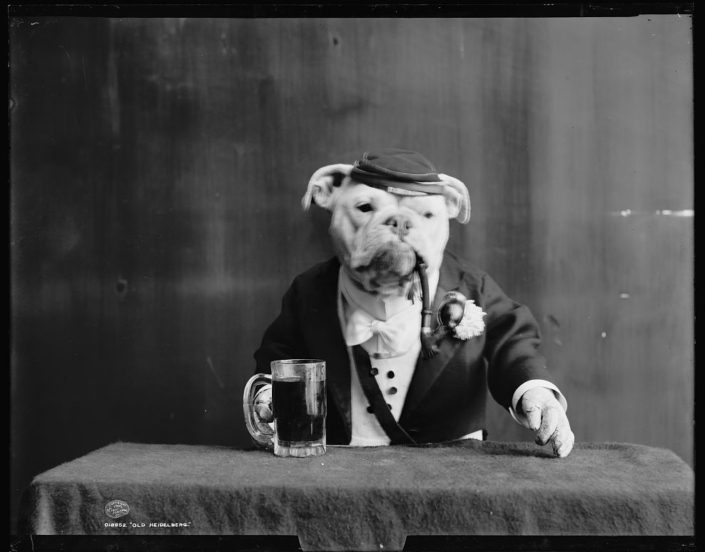
April 1: All Fools’ Day
Officers Raid Booze Plant In Manheim

Hartwick College Hosts Talk on AI and Human Decision-Making
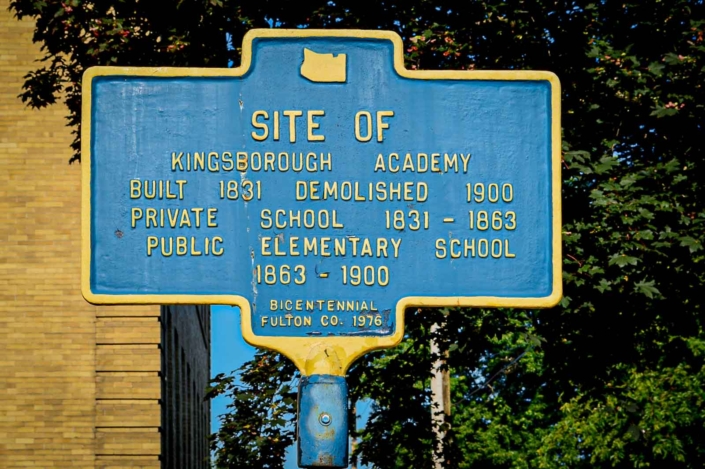
Grant funding available through the Fulton County 250 Commemoration Commission

Hardy Chair Lecture to Examine Experiences of Pregnant Women in Prison
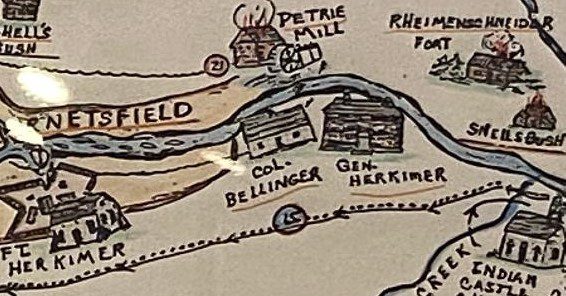
The Little Falls Post Office
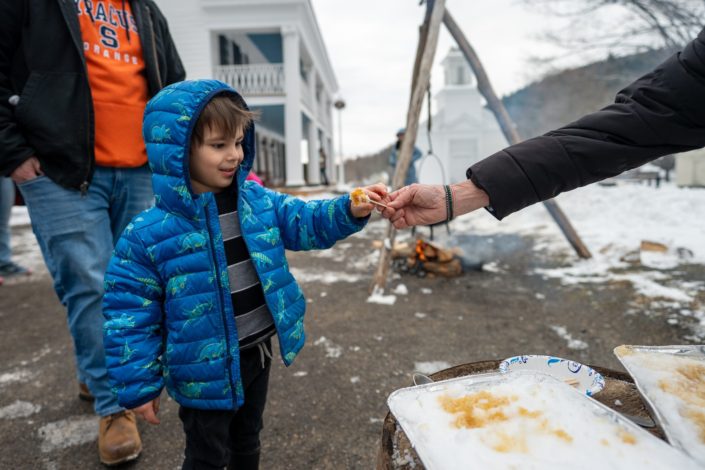
Final Sugaring Off Sunday at Fenimore Farm this Weekend
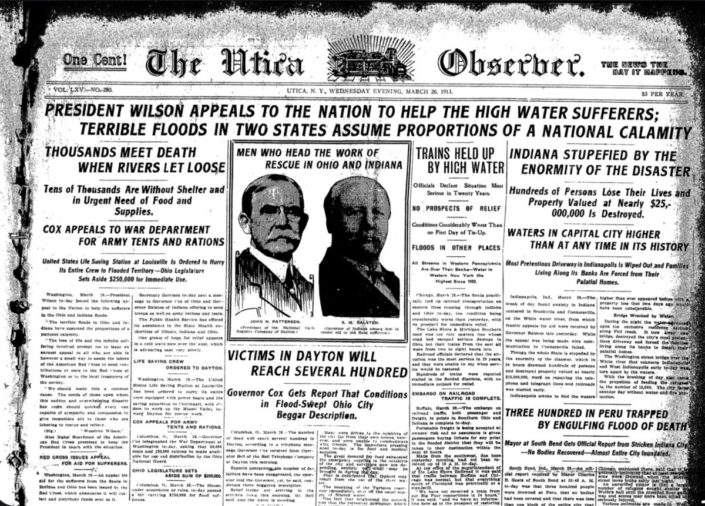
Mohawk Valley History: March 26


 The St. Regis Mohawk School and the Cultural Revival of 1937 By Darren Bonaparte